
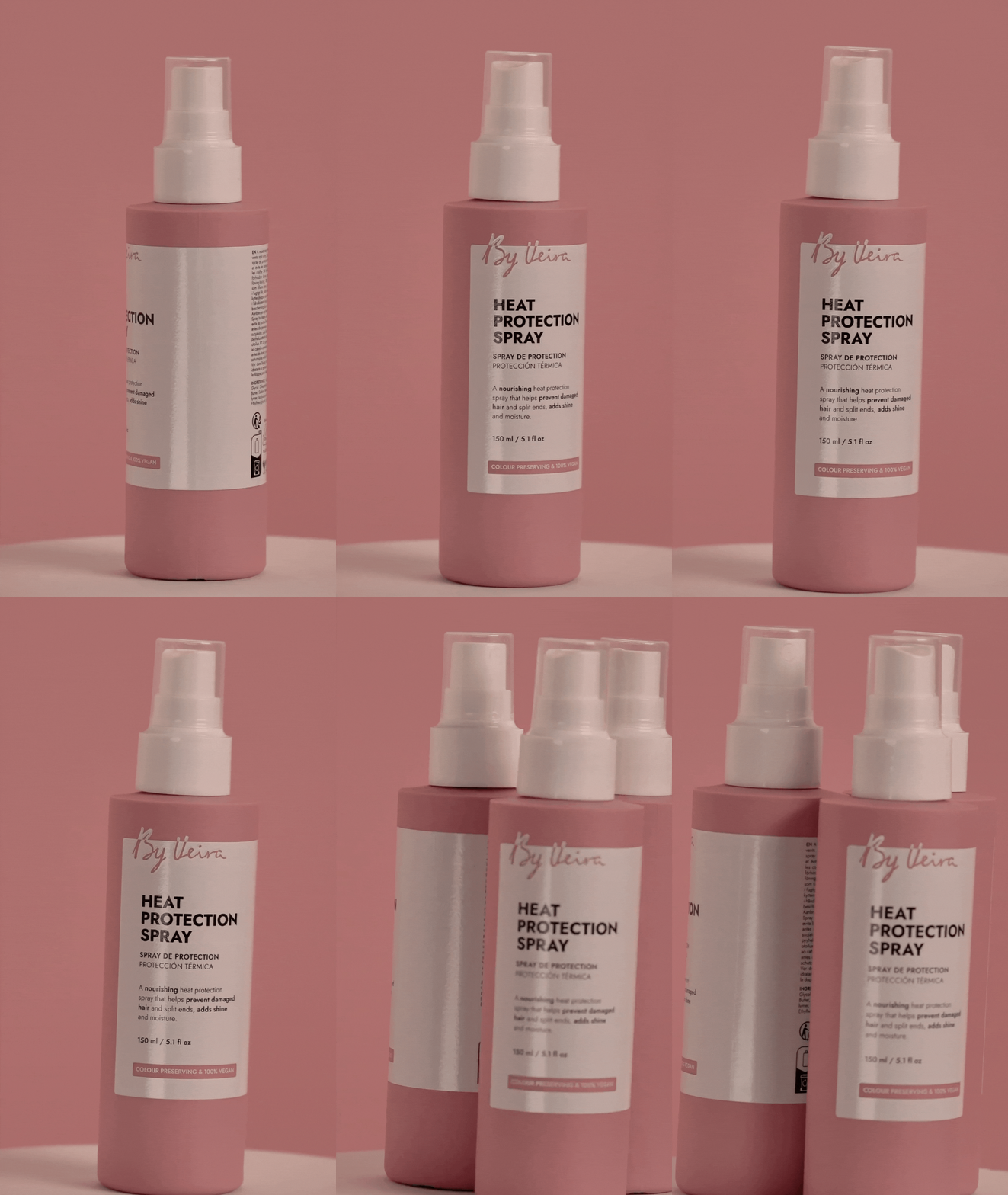
Humidity is the nemesis of most curly‑haired folks. Even the most diligent conditioning routine can be undone by a sudden rise in moisture, leaving once‑smooth ringlets limp, puffy, and unpredictable. The frustration isn’t just aesthetic—frizz can signal damage, dryness, and a loss of the bounce that defines your style.
In this guide we break down why humidity attacks curls, what criteria matter when choosing non‑heat solutions, and how to build a routine that protects definition from the moment you step outside. The steps are practical, budget‑friendly, and designed for anyone who wants reliable curl control without reaching for a flat iron.
## Why Humidity Disrupts Curl Structure
Problem framing: Curly hair is porous, meaning it absorbs water from the air. When humidity spikes, the shaft swells, the cuticle lifts, and the natural curl pattern is altered, resulting in frizz. For a busy professional who relies on low‑maintenance hair, this sudden change can feel like a constant battle.
Decision criteria: Look for solutions that either block moisture from entering the hair shaft or reinforce the cuticle so it resists swelling. Trade‑offs involve choosing between heavy, sealing products that may feel greasy versus lighter, film‑forming agents that maintain bounce.
Actionable guidance: Start by assessing your current products. If your conditioner leaves the hair feeling soft but still frizzy in humidity, you likely need a sealing layer. Opt for a lightweight oil (e.g., argan or jojoba) or a silicone‑based serum applied to damp hair, focusing on mid‑lengths to ends. This creates a barrier without weighing curls down.
What good looks like: After applying a thin layer of argan oil to freshly towel‑dried curls, you notice the strands feel supple, and the hair repels a light mist of water during a humidity test—curls stay defined, and no sticky residue is left behind.
## Building a Humidity‑Resistant Product Routine
Problem framing: Many curl enthusiasts rely solely on conditioner and leave out the crucial steps of sealing and refreshment, which leaves the hair vulnerable when the weather shifts.
Decision criteria: Choose products that complement each other in a layered approach—hydration, sealing, and reactivation. Consider the trade‑off between a product’s hold strength and its flexibility; a stiff gel may keep curls in place but can create a crunchy feel.
Actionable guidance: 1️⃣ Hydrate with a curl‑specific leave‑in conditioner that contains humectants like glycerin, but apply it sparingly. 2️⃣ Seal with a lightweight oil or a light silicone serum, focusing on the ends where frizz originates. 3️⃣ Set with a low‑alcohol gel or cream that offers hold without stiffness. Apply the gel to sections of hair, then scrunch to encourage definition. 4️⃣ Finish with a micro‑mist of a humidity‑blocking spray (look for ingredients like dimethicone or polymer blends) to lock in the style.
What good looks like: A client with 3B curls follows the routine: a pea‑size amount of leave‑in, a few drops of jojoba oil, and a dime‑sized portion of a soft‑hold gel. After air‑drying, the curls stay springy for 8‑10 hours, even as outdoor humidity climbs to 80%, with no visible flyaways.
## Styling Techniques and Protective Habits That Require No Heat
Problem framing: Even with the right products, styling methods can introduce friction that opens the cuticle, making curls more prone to frizz when moisture is present.
Decision criteria: Opt for low‑friction tools and methods that preserve the cuticle. The trade‑off is often speed versus gentleness; a quick brush may be tempting but can cause breakage.
Actionable guidance: • Use a wide‑tooth wooden comb or your fingers to detangle while the hair is still wet and coated with conditioner. • Adopt the “plop” method: lay a microfiber towel or cotton T‑shirt on a flat surface, lay your curls on it, then wrap to absorb excess water without rubbing. • For added protection, braid or twist sections while damp and allow them to dry; this creates a defined “set” that resists humidity. • Nighttime care matters: sleep on a silk pillowcase or wear a silk bonnet to reduce friction and moisture loss.
What good looks like: After plopping and setting curls in loose braids overnight, the next morning the curls unfurl with defined spirals and minimal flyaway. The silk pillowcase eliminates static, and the hair retains moisture, so when the day’s humidity spikes, the curls stay intact without any heat styling.
## Conclusion
Managing curl frizz in humid conditions isn’t about a single miracle product; it’s a systematic approach that combines moisture‑blocking layers, strategic product sequencing, and friction‑free styling habits. By understanding how humidity interacts with porous hair, selecting the right sealing agents, and employing gentle techniques, you can keep your curls defined, soft, and heat‑free all day long. Implement these steps consistently, and you’ll notice a measurable reduction in frizz, even on the most muggy days.
Remember, the goal is sustainable curl health—not a quick fix that leaves your hair feeling heavy or brittle. With the right routine, you’ll enjoy reliable definition and confidence, no matter what the weather throws at you.
**CTA:**Start your humidity‑proof curl routine today and experience frizz‑free definition without ever reaching for heat.**Tags:** curly hair care, humidity frizz, heat‑free styling, curl routine, protective hair habits
Read more
Best Detox Shampoo: By Veira vs Ouai vs Olaplex Clarifying Shampoo If your hair feels heavy, greasy, or dull no matter what you use, you’re probably dealing with buildup — from products, oils, and ...
If you’ve landed on Amazon looking for a vegan salt spray, you’re probably juggling a few concerns: product authenticity, cruelty‑free claims, and whether the spray will actually give you that effo...